
Courses Offered
UG Courses

Artificial Intelligence and Data Science

Artificial Intelligence and Machine Learning
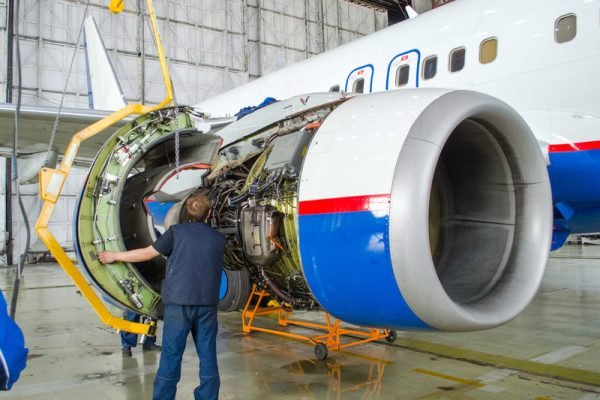
Aeronautical Engineering

Biomedical Engineering

Civil Engineering

Computer Science and Engineering

Electronics and Communication Engineering

Electrical and Electronics Engineering

Marine Engineering

Mechanical Engineering

Mechanical and Automation Engineering
PG Courses

Applied Electronics
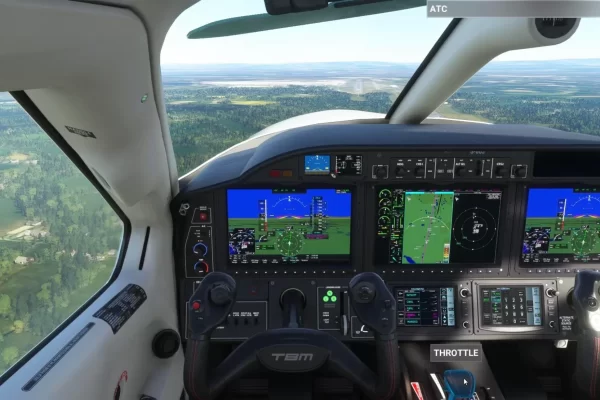
Avionics

Communication Systems

Computer Science and Engineering
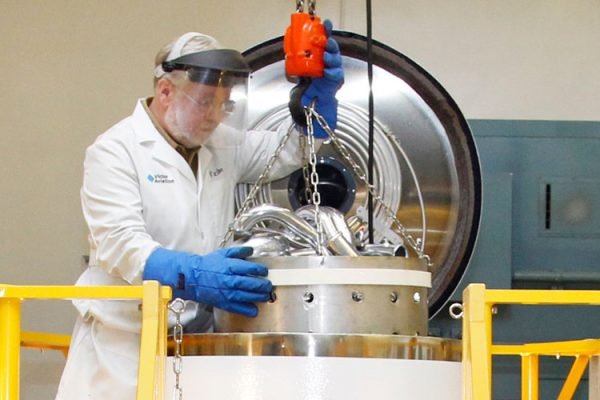
Cryogenic Engineering

Embedded Systems

Information Technology

Master of Business Administration MBA
Curriculum
| Course Name | B.E(R18) | B.E(R22) | Course Name | M.E(R18) | M.E(R22) |
|---|---|---|---|---|---|
| Aeronautical | View | View | Aeronautical | View | View |
| Civil | View | View | CSE | View | View |
| CSE | View | View | EEE | View | View |
| EEE | View | View | ECE | View | View |
| ECE | View | View | IT | View | View |
| Marine | View | View | MBA | View | View |
| MAE | View | View | |||
| Mechanical | View | View | |||
| AIML | View | ||||
| AIDS | View |
PO’s and PSO's
| PO’s No | KNOWLEDGE | STATEMENTS |
|---|---|---|
| 1 | Engineering Knowledge | Apply the knowledge of mathematics, science, engineering fundamentals, and an engineering specialization to the solution of complex engineering problems. |
| 2 | Problem Analysis | Identify, formulate, research literature, and analyze complex engineering problems reaching substantiated conclusions using first principles of mathematics, natural sciences, and engineering sciences. |
| 3 | Design / Development of Solutions | Design solutions for complex engineering problems and design system components or processes that meet the specified needs with appropriate consideration for the public health and safety, and the cultural, societal, and environmental considerations. |
| 4 | Conduct Investigations of Complex Problems | Use research-based knowledge and research methods including design of experiments, analysis and interpretation of data, and synthesis of the information to provide valid conclusions. |
| 5 | Modern Tool usage | Create, select, and apply appropriate techniques, resources, and modern engineering and IT tools including prediction and modeling to complex engineering activities with an understanding of the limitations. |
| 6 | The Engineer and Society | Apply reasoning informed by the contextual knowledge to assess societal, health, safety, legal and cultural issues and the consequent responsibilities relevant to the professional engineering practice. |
| 7 | Environment and Sustainability | Understand the impact of the professional engineering solutions in societal and environmental contexts, and demonstrate the knowledge of, and need for sustainable development. |
| 8 | Ethics | Apply ethical principles and commit to professional ethics and responsibilities and norms of the engineering practice. |
| 9 | Individual and Team Work | Function effectively as an individual, and as a member or leader in diverse teams, and in multidisciplinary settings. |
| 10 | Communication | Communicate effectively on complex engineering activities with the engineering community and with society at large, such as, being able to comprehend and write effective reports and design documentation, make effective presentations, and give and receive clear instructions. |
| 11 | Project Management and Finance | Demonstrate knowledge and understanding of the engineering and management principles and apply these to one’s own work, as a member and leader in a team, to manage projects and in multidisciplinary environments. |
| 12 | Life-long Learning | Recognize the need for, and have the preparation and ability to engage in independent and life-long learning in the broadest context of technological change. |
| PSO's No | PROGRAM |
|---|---|
| 1 | To Prepare Mechanical Engineering Graduates with an outstanding knowledge of industrial automation for a successful career |
| 2 | To develop an ability to accept global challenges and apply engineering knowledge for solving various problem in the area of mechanical engineering using computer aided engineering |
Research
Overview:
PSN College of Engineering and Technology (PSNCET) has focused on research ever since its inception in
2001. The Institute has been taking initiatives for differentiating itself by encouraging research and
innovation.
PSNCET is committed to press forward the research in Engineering domain and to allow its major stake
holders: Students and Faculty to utilize their fullest potential in technological domains. The priorities
for the next few years will focus on developing research network on thrust areas and societal needs.
The main focus will be on facilitating researchers with sound knowledge, professional approach and
innovative thoughts for global accomplishments. Another prime feature of the cell is multi-disciplinary
approach which is the need of the hour.
Objectives:
- To establish and nurture research culture in the campus.
- To encourage in collaborative research with R & D centers in reputed organization.
- To develop and establish more research center
- To encourage more sponsored research to enhance the research facilities.
- To pursue innovative and emerging research.
The prime focus of the college is in Academic Research and sponsored research. The faculty members engaged in research are provided the seed money by the institution to start the research and carry and rigorous research activities. Department of Electronics and Communication Engineering, Department of Computer Science and Engineering, Department of Mechanical Engineering, Department of Physics and Department of Chemistry are recognized as centers for carrying out Ph.D (By research) programmes by Anna University, Chennai. The research activities of the faculty members, Full Time / Part Time research scholars and students have shown encouraging results in good numbers of research publications, products and Patent.
Centers of Excellence:
- Bosch Rexroth Centre of Excellence in Industrial Automation
- Centre of Excellence in CFD
- National Instruments Centre of Excellence
- Intel FICE Centre of Excellence
- Product Design Laboratory
- Patrik J Hanratty Centre for Computer Aided Engineering
- PSNCET Business innovation and Incubation Centre (PSNCETBIIC)
48
Faculty members with Ph.Ds
20
Recognized Research Supervisors
59
Ph.D Scholars in roll
15
Patents
395
International Publications in last years
5
Anna University Recognized Research Centres